I Need a New Phone? This objective guide explains how qualifying residents can request government-supported smartphone and connectivity programs, compare major Lifeline/ACP-style offerings, and prepare the documents typically required. It also outlines eligibility basics and a practical application workflow, helping you evaluate plans from established providers. Background context covers smartphone affordability, eligibility pathways, and how modern support programs manage device and service options.
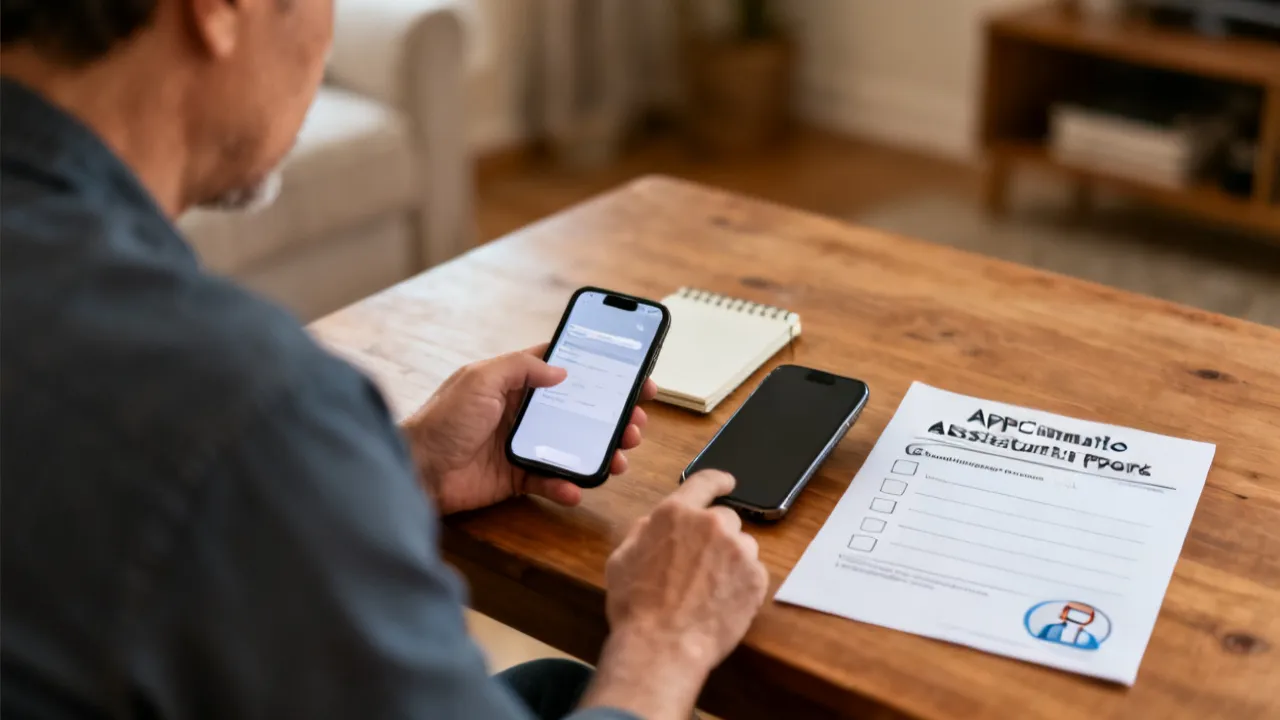
If you’re thinking, “I Need a New Phone,” the very efficient path is usually to (1) verify whether you meet government program eligibility, (2) compare provider plan terms and device options, and (3) apply with accurate documentation so you can complete verification. Many established wireless providers participate in government-supported access programs, which can reduce the cost of a handset and ongoing communication services depending on where you live and which program you qualify for.
From an industry perspective, the biggest practical factors are not only the device type (Android vs. smartphone models) but also the plan structure: voice/text allowances, data limits, and whether additional high-speed data or premium devices require an added charge. These details can vary by plan and state, so a structured comparison prevents surprises.
In other words, this is less like “shopping for a phone at a store” and more like making sure your household is matched to the right program tier and plan design. When people skip eligibility checks, they often spend time comparing devices that won’t be available to them, or they select an add-on assuming it’s included when it’s not. A quick eligibility-and-plan workflow reduces that mismatch risk.
Also, phone needs tend to be time-sensitive. If your phone is broken, lost, or simply too slow to support key apps (like maps, two-factor authentication, or school/work messaging), delays can create knock-on problems: missed calls, inability to log in to accounts, and missed verification deadlines. So while the decision is part of telecom shopping, it’s also part of a continuity plan for your daily life.
Buying a new phone outright is straightforward, but many households face budget and predictability constraints. Government-supported phone programs are designed to reduce barriers to basic connectivity by bundling (a) service features such as talk, text, and data and (b) in some cases, a smartphone device through participating providers.
In practice, applicants should treat this as a combination of consumer telecom and assistance-program compliance. You are not only choosing a carrier; you’re also navigating eligibility rules, verification steps, and plan parameters that may differ by state or household circumstances.
Even if your immediate goal is “a device,” the true lever is the plan you can enroll in. The plan determines the total cost, the quality of service you will experience, and the flexibility you have later (for example, whether you can add more data, upgrade the device, or change your plan tier). A phone is only useful if the service supports how you actually use it—how often you stream, what kinds of apps you rely on, and where you typically use your phone (home, work, school, rural areas, commuting routes, etc.).
Another reason it becomes a program decision is that government-supported plans are often built around predictable bundles rather than the wide choice architecture you see with full-price retail plans. You might have a limited set of device choices, limited data tiers, and a defined upgrade path. That limited menu can be a good thing (less confusion), but it also means you should confirm which option matches your needs before you submit.
While the exact product offerings can change, very Lifeline-style or similar consumer connectivity programs focus on core mobile communication needs—typically unlimited talk and text and a limited amount of data—often with options for additional data or upgrades for a fee.
Additionally, many providers describe two models:
This matters if you already own a device that meets technical requirements (e.g., compatibility with supported networks). A BYOD option can reduce turnaround time and help avoid device mismatch.
There’s also a “workflow” difference. Smartphone fulfillment usually means you wait for shipment and then activate the phone when it arrives. BYOD means you may start service faster, but you’ll be responsible for ensuring the device is unlocked/compatible and that you can follow activation steps without losing service.
In many real-life situations, people also care about the phone’s usability beyond basic calls and texts. For example, if you need to use a bank app, a secure messaging app, or an authenticator, the device needs sufficient performance and a reasonably current software environment. If the affordable phone options are limited to certain models, you should confirm whether those models are realistic for your essential tasks.
Another common expectation is “unlimited data.” In practice, many programs include unlimited talk and text but only limited high-speed data. After the high-speed allotment is used, data may slow down. Some providers offer “data boosts” or “additional high-speed data” for an extra charge, which can be helpful but should be planned for rather than assumed.
Below is a high-level comparison of well-known participating providers and what their program offerings commonly include. Costs noted here reflect optional add-ons rather than a guaranteed price for every applicant.
| Provider (official program site) | Services commonly included | Possible additional package costs |
|---|---|---|
| SafeLink Wireless | Unlimited talk and text; data allowance (plan/state dependent); affordable smartphone or BYOD options (availability varies) | Premium device upgrades and additional data/boosters may cost extra |
| Assurance Wireless | Affordable Android smartphone (when offered); unlimited talk and text; data allowances | Optional upgrades for higher-speed data or other services may involve additional charges |
| StandUp Wireless | Affordable smartphone or BYOD options; unlimited talk and text; data plans | Premium phone upgrades or extra data may be available for a fee |
| Access Wireless | Unlimited voice/text; limited high-speed data as part of Lifeline/ACP-type benefits | Data boosts and device upgrades may cost extra |
| True Wireless | Government-supported phones; voice and data plans | Optional upgrades to better devices or additional data plans may cost extra |
Links to the websites (source of the comparison information) are listed here:
source: www.safelinkwireless.com (SafeLink Wireless)
source: www.assurancewireless.com (Assurance Wireless)
source: standupwireless.com (StandUp Wireless)
source: www.accesswireless.com (Access Wireless)
source: www.gotruewireless.com (True Wireless)
When you compare these providers, don’t only compare “who offers a phone.” Also compare how the plan behaves after included data is used. Two plans might both be described as “data included,” but one might slow down significantly sooner than another. If you use navigation apps during commutes, or you receive large photo messages from family, you may feel that difference quickly.
In addition, check whether the provider uses a single statewide program or whether offerings change across ZIP codes. Some providers manage inventory and fulfillment differently by region, which can affect device availability and shipping time.
Finally, consider the user-experience factors: customer support options, how quickly you can add a data boost, and whether the online account portal is easy to use on a mobile device. These details can matter if you depend on the phone for work scheduling, school updates, or managing appointments.
Eligibility frameworks for these programs commonly connect to income thresholds and/or enrollment in certain government assistance programs. Providers often verify eligibility using income documentation or participation-based proof.
Even when you “know you qualify,” the practical challenge is often documentation quality and consistency. Applications frequently require that names match, addresses are correct, and supporting documents are legible. If you recently moved, changed a case number, or received a document with partial information, it can delay approval.
To reduce delays, treat this as a document readiness exercise. Before you start, make sure you can produce the necessary details in the format the provider requests: clear photos or scans, complete pages (not cropped), and current dates when required.
Across participating providers, eligibility is commonly described in terms such as:
Because these categories can be interpreted through program-specific tiers, the “exact numbers” matter less than the outcome: you need documentation that demonstrates your household meets the rules. If you’re unsure whether your situation qualifies, start with the provider’s eligibility tool or customer guidance—then gather documents based on the method you expect to use.
Also, understand that household composition can matter. Some programs consider the number of household members differently than you might in everyday terms. If your household includes dependents, shared living arrangements, or someone temporarily on your address, make sure the application reflects the provider’s definition of household.
Below is a practical workflow that aligns with how major providers describe their onboarding process. Always confirm requirements on the provider’s official site, but this outline can help you avoid common delays.
To make the process even smoother, consider these extra practical steps:
Another real-life factor is device readiness. If you select BYOD, take time to confirm that your device is compatible and unlocked if required. A mismatch can lead to delays or require restarting the process.
If you pick an affordable smartphone route, check what comes in the box (charging cable, SIM/eSIM details, instructions). Also, be prepared to set up the device: Wi-Fi setup, app downloads, and enabling features like two-factor authentication—tasks that can take time, especially if your household has limited internet beyond the phone.
Even when programs share eligibility foundations, the user experience can vary. Here are the industry-relevant differences consumers often notice:
Network coverage is often underestimated. Two people can qualify for the same program tier but experience different outcomes because of local coverage patterns, building materials, and daily movement. For example, in some areas, a participating carrier might offer strong coverage outdoors but weaker service in basements or inside dense office buildings. If your work or school takes place primarily indoors, you may experience dropped calls or slower data than expected.
Also, remember that “coverage” can mean multiple things: voice call reliability, text message delivery, data throughput during busy hours, and the phone’s ability to hold a signal while traveling. Some affordable smartphone models might use older modem technology. That can slightly affect performance compared to a newer flagship device, even on the same network.
Upgrade pricing and device availability are also connected. If the program device inventory changes, your options for upgrades may shift. For that reason, it’s smart to review the plan and device terms at the time of application rather than relying on what a friend received months earlier.
Use this checklist to make the “I Need a New Phone” decision more concrete:
Below is a deeper “pre-submit” checklist that often prevents avoidable delays:
In practice, it typically refers to consumer connectivity and affordability initiatives—often administered through eligibility rules tied to income and/or enrollment in qualifying assistance programs—where participating providers offer service plans and, in many cases, eligible smartphones.
People use the phrase “government phone” casually, but it’s helpful to think of it as a partnership between eligible households and specific wireless carriers. The government establishes or supports the program framework; providers implement and verify eligibility within their own operational systems.
Often, yes—depending on the provider and whether your device is compatible. Many participating programs describe a BYOD option alongside affordable-phone fulfillment. You should confirm compatibility requirements during the application.
BYOD can be a great option when your current phone is already working and you just need the service subsidy. However, BYOD is more sensitive to technical requirements: carrier compatibility, whether the device is unlocked, and whether it can accept the carrier’s SIM/eSIM setup. If BYOD fails technical checks, you may still need to switch to program device fulfillment.
Very applications require basic identity and household information. Eligibility is commonly established using either proof of income or proof of participation in qualifying government assistance programs. Some providers may also require document uploads.
Common items include your full name, date of birth or other identity details, household size information, address, and documentation tied to either income eligibility or participation in assistance programs. Preparing these in advance helps you move faster and reduce errors.
There can be. Many provider descriptions indicate that optional upgrades—such as premium devices, additional data, international calling, or higher-speed data—may involve extra charges. The included plan features for qualified subscribers may still be cost-reduced, but you should review the exact plan terms before accepting add-ons.
It can help to separate “included service” from “paid extras.” Included service usually covers core communication: talk and text, and often some amount of data. Paid extras might include additional high-speed data, device upgrades to higher tiers, or certain premium features. If you’re budgeting tightly, ask yourself whether those extras are truly needed before you accept them.
Timelines can vary based on verification complexity, document quality, and inventory. If your application requires manual review or document uploads, processing time may be longer. The top approach is to submit clear documents and respond quickly if additional information is requested.
In practice, there are two “wait periods”: (1) the eligibility verification wait and (2) the fulfillment/activation wait. If the provider requires a manual verification step, the eligibility part may take longer. If you select a smartphone option, the shipping part can add additional days. BYOD may reduce the fulfillment wait but introduces the need for successful device activation.
Typically, program devices are selected based on provider availability and program terms. Applicants may receive an Android smartphone model or a specific eligible device rather than a choice of the newest retail hardware.
Device selection can be influenced by program inventory and the provider’s current catalog. If you have strong preferences (camera quality, large storage, specific performance levels), it may require careful checking of the eligible device list at the time you apply. Even within Android devices, differences in RAM, storage, and software version can affect how smoothly apps run.
If you receive a denial or incomplete status, check whether the issue relates to eligibility criteria, document readability, or missing information. Correcting and reapplying (when allowed) is often the very practical step.
If you believe the denial is incorrect, focus on what the provider indicates: whether they need a different type of proof, additional pages, clearer images, or corrected household details. Many delays are not about eligibility in the “big picture,” but about specific information mismatches.
From an expert viewpoint, very application friction stems from three areas:
Therefore, your top strategy is to treat the application like a compliance workflow: prepare evidence, confirm plan features, and follow provider instructions precisely.
Here are additional pitfalls that sometimes appear in real cases:
Not all “new phone” needs are identical. Before you decide, consider your daily use patterns:
Aligning your plan choice with your usage reduces the temptation to immediately purchase upgrades that could strain a tight budget.
To make this more concrete, think about a typical week:
Once you estimate your typical use, choose a plan tier accordingly. If you underestimate your data consumption, you may feel like the phone “doesn’t work,” when in reality it’s just the plan’s high-speed limit being reached.
If your immediate priority is staying connected, focus on a sequence that minimizes downtime:
This approach often delivers faster practical outcomes than waiting to compare every handset model in detail.
If you have an urgent need for phone service (for example, job interviews, child care coordination, emergency contact, or school communications), consider the following tactical steps:
Also, if your phone is lost or you don’t have access to your accounts, prioritize access recovery. Having a working phone number is critical for account recovery flows and two-factor authentication. If your verification process depends on receiving messages, staying reachable during the application window becomes even more important.
To illustrate why eligibility and plan structure matter, here are a few scenario-style examples that reflect common real-world situations. These aren’t promises of what will happen in every case, but they show how decisions connect to outcomes.
Example 1: A user with a working but outdated phone
Someone already owns a compatible Android phone that is unlocked and supports the participating carrier’s network. They qualify and choose BYOD. The advantage is that they don’t have to wait for device fulfillment. The risk is that the phone might have limited storage or an old software version, making some apps slower. If the phone can’t support modern app requirements for banking or authenticator apps, the user may still struggle even though service is active.
In this scenario, the person should check whether the phone can run the essential apps they rely on. If it can, BYOD can be the fastest and most budget-friendly path.
Example 2: A user who needs a phone quickly and relies heavily on data
Another applicant needs a phone for school emails and frequent navigation. They qualify and select an affordable phone bundle with limited high-speed data. Calls and texts work reliably, but after high-speed data is used, their navigation and app usage may slow down. If the plan offers paid data boosts, they might need to add high-speed data occasionally.
This doesn’t mean the program is “bad”—it means the user should understand that data speed may vary. Planning data usage and checking for data boost options can reduce frustration.
Example 3: A user who qualifies but submits documents that aren’t readable
A user qualifies based on participation in an eligible assistance program but uploads documents where the barcode or key ID details are too blurry to read. The application gets delayed for manual review or resubmission. Because the person needed the service soon, they miss a critical timeline and experience a gap.
This scenario emphasizes the document quality pitfall. Taking clear images, using proper lighting, and ensuring full pages are included can prevent delays that feel like “eligibility problems” but are actually verification friction.
Example 4: A user who misunderstands “unlimited”
Someone sees “unlimited” and expects unlimited high-speed data for streaming or heavy social media use. They choose the base plan without reviewing how data is structured. When they reach the high-speed allowance, speeds drop or usage is managed. They believe the phone “isn’t working,” but the service is behaving as the plan describes.
This scenario highlights the plan misunderstanding pitfall. Reading the exact data policy (high-speed vs. slowed data) helps users set realistic expectations.
For broader background on Lifeline and related universal service frameworks in the United States, readers can consult official FCC materials and related government resources, which explain the intent and regulatory basis for supported communications services.
Even if you aren’t reading regulatory language directly, understanding the intent behind these programs can help when you encounter provider questions. These initiatives focus on ensuring eligible households have reliable access to essential communications and connectivity. That is why you’ll typically see requirements around eligibility verification, periodic recertification or updates, and plan descriptions that emphasize basic phone and limited data support.
It’s also why documentation accuracy matters. Eligibility programs generally operate on the premise that assistance is limited to qualified households, so verification steps are a core part of the system.
1) The above information comes from online resources, and the data is as of October 2023.
2) This website cannot guarantee that applicants will definitely get a government affordable phone. For specific application requirements and how to obtain it, please refer to the official requirements of the provider. This website will not be updated in real time.
Striking the Perfect Balance: Navigating Premiums and Out-of-Pocket Expenses in Senior Insurance Plans

Explore the Tranquil Bliss of Idyllic Rural Retreats

How to Make Lasting Memories at Disneyland Attractions

4rkojvsx Technology: Industry Insights and Buying Guide
Affordable Phones and Plans for Seniors

Affordable Full Mouth Dental Implants Near You

Unlock the Top Kept Secrets to Finding Your Ideal Dentist for Flawless Dental Implant Results!

Discovering Springdale Estates

Unveiling RS Sul Telecom Services

Affordable Phones and Plans for Seniors
Discover the top deals on new phones and plans tailored for seniors, including discounts on 5G technology and unsold models.
Affordable Cell Phones Without Plans
Discover affordable cell phones for sale without plans, exclusive discounts for seniors, and tailored mobile plan options in your area.

Navigating Government Phone Programs
This guide provides an expert analysis of government-supported phone programs for eligible individuals, offering insights into available providers and their services. Affordable phones are often a necessity for individuals under economic constraints, aiding in communication, job searches, and access to emergency services. The article delves into eligibility criteria, application processes, and compares popular service providers in various regions.
Unlocking the Top Cell Phone Deals
Discover unbeatable cell phone discounts, plans, and offers for seniors and iPhone enthusiasts without contracts.
Navigating Affordable Phone Offers
Discover the essential details about government-assisted phone programs aimed at providing budget-friendly devices to eligible individuals. These programs offer complementary mobile phones and services to qualified beneficiaries, ensuring connectivity at minimal expense. This guide breaks down how to access such benefits and what conditions apply.
How to Apply for a Affordable Phone
This guide provides insights on how to apply for a affordable phone through government-sponsored programs. Understanding how these programs operate and their eligibility requirements is essential. These initiatives aim to support individuals in low-income households or those enrolled in specified government assistance programs by providing basic communication tools.