The Arthritis Rehabilitation and Education Program is a pivotal initiative that focuses on improving the quality of life for individuals living with arthritis through personalized therapy and education. By offering structured guidance, practical coping strategies, and specialized treatment plans, it empowers patients to manage symptoms effectively, fostering better mobility and independence.
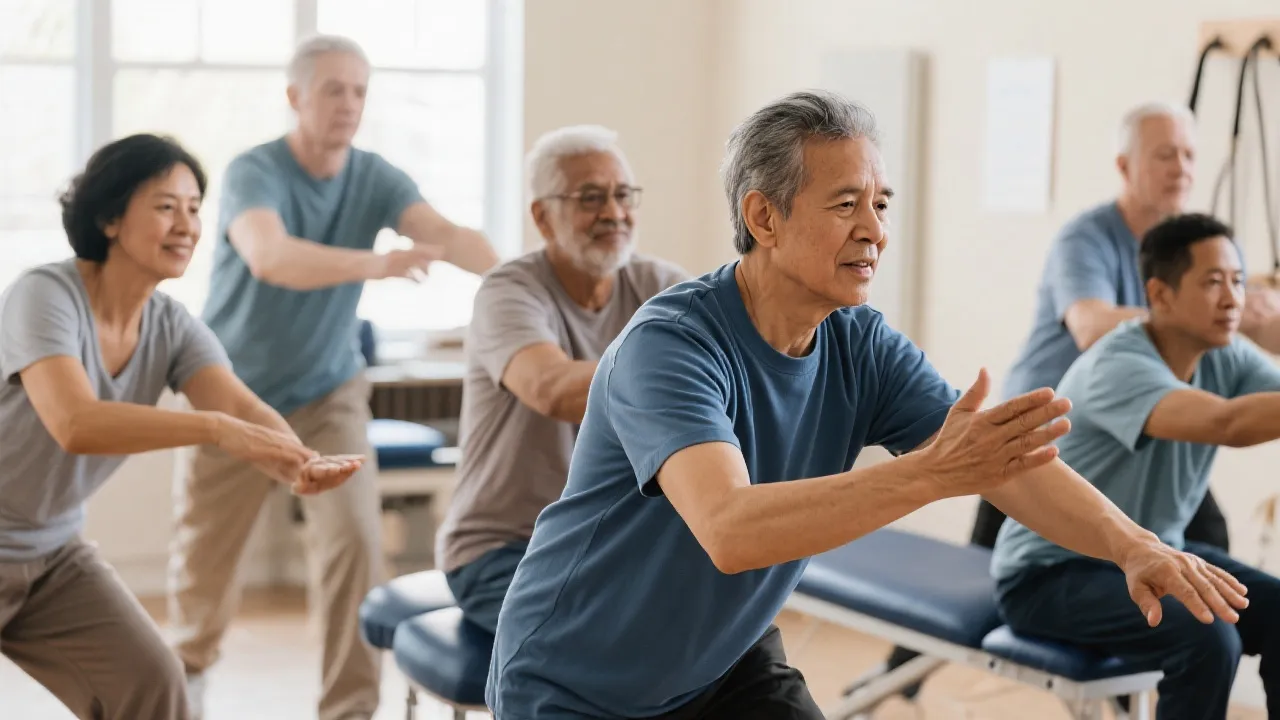
Arthritis, a common yet complex condition, affects millions worldwide, often leading to chronic pain and decreased mobility. This ailment encompasses over a hundred different types, with osteoarthritis and rheumatoid arthritis being the most prevalent. Such conditions can significantly impair an individual's quality of life, making effective management and education crucial. According to the World Health Organization, arthritis is one of the leading causes of disability in adults, underscoring the importance of understanding this condition. The Arthritis Rehabilitation and Education Program serves as a vital resource for those battling this pervasive illness, aiming to improve symptoms and enhance the quality of life for those afflicted.
In addition to osteoarthritis and rheumatoid arthritis, there are various other forms of the disease, such as psoriatic arthritis, gout, ankylosing spondylitis, and juvenile arthritis, each presenting unique challenges and requiring different management strategies. Patients' experiences and the impact of arthritis can vary widely, affecting their physical, emotional, and social well-being. Hence, a multi-faceted approach to treatment and rehabilitation is necessary to address these interconnected aspects. The insights gained through comprehensive education and rehabilitation programs can empower individuals and provide them with essential tools to cope with the demands of their condition.
The Arthritis Rehabilitation and Education Program is designed to provide comprehensive support and knowledge to individuals affected by arthritis. It combines physical therapy, occupational therapy, and patient education to tailor a holistic care plan that respects each patient's unique needs. The objective is not only to alleviate symptoms but to enable patients to lead active, fulfilling lives. This dual focus on rehabilitation and education empowers patients, offering strategies they can use in everyday situations to manage their condition effectively.
The program emphasizes teaching self-management skills, allowing patients to take an active role in their health. This proactive approach can significantly enhance patient motivation and adherence to treatment regimens. With access to continuous training and support, participants can build resilience in the face of challenges presented by their condition. Moreover, the program builds a connection among participants, fostering a community of understanding and shared experiences, which can be comforting for many.
The following goals are at the heart of the Arthritis Rehabilitation and Education Program:
Each aspect of the program is carefully crafted to address the unique needs of arthritis patients, recognizing that every individual's journey with arthritis can be different:
| Component | Description |
|---|---|
| Physical Therapy | Custom exercise regimens aimed at improving joint function and reducing discomfort. Physical therapists work with patients to design tailored workout routines that promote strength and flexibility without causing undue stress on the joints. |
| Occupational Therapy | Techniques for performing daily activities with ease and minimizing arthritis flare-ups. Occupational therapists teach adaptive methods and the use of assistive devices that can help patients perform tasks more effectively. |
| Educational Workshops | Sessions that provide insights into arthritis and effective self-management strategies. These workshops can cover a range of topics, including coping mechanisms, diet, the latest research findings, and therapy options. |
| Support Groups | Opportunities to connect with peers, share experiences, and gain emotional support. Support groups foster a sense of community, where individuals can share their challenges and successes in a safe and understanding environment. |
This multifaceted approach reflects a comprehensive understanding of how arthritis affects all aspects of the patients' lives. By addressing physical symptoms and emotional needs, the program aims to create a well-rounded and effective path to rehabilitation.
Embarking on the journey of managing arthritis through this program requires dedication. Engaging actively with therapy sessions, being consistent with home exercises, and attending educational workshops form the pillars of successful management. Furthermore, recognizing the emotional challenges associated with arthritis is crucial, as mental health plays a significant role in overall well-being. Many patients experience feelings of frustration, anger, and sadness as a result of living with chronic pain. By addressing these emotions and providing coping strategies, the program seeks to improve the overall quality of participants' lives.
Developing a personal management plan is essential, and the program encourages participants to set realistic, achievable goals. Small victories can lead to significant improvements in a patient's feelings of control and empowerment. Additionally, regular follow-up appointments with healthcare providers are beneficial to monitor progress, reassess treatment plans, and make necessary adjustments. Continuous communication between patients and healthcare professionals fosters understanding and ensures that individuals feel supported throughout their journey.
The Arthritis Rehabilitation and Education Program stands as a beacon of hope for those seeking relief and autonomy in their fight against arthritis. This program not only aids in physical rehabilitation but also educates and empowers individuals, providing them with the essential skills needed to navigate the complexities of living with arthritis. With the guidance and support offered by this program, patients can aspire to lead healthier, more active lives, fully embracing their potential.
To better illustrate the effectiveness of the Arthritis Rehabilitation and Education Program, it is essential to highlight success stories from past participants. These personal narratives offer insights into how the program has positively influenced the lives of individuals managing arthritis.
One participant, Sarah, a 45-year-old teacher diagnosed with rheumatoid arthritis, shared her experience. Before joining the program, Sarah struggled daily with debilitating fatigue and joint pain, significantly hindering her work and social life. After participating in the program’s physical therapy sessions, Sarah learned tailored exercises that not only improved her strength but also helped her manage her fatigue more effectively. Now, she can engage more fully with her students, complete tasks at work without overwhelming discomfort, and participate in social activities with friends and family. Sarah’s story exemplifies how focused rehabilitation can lead to a marked improvement in day-to-day functioning.
Another participant, James, a 60-year-old retiree, faced significant emotional hurdles following a diagnosis of osteoarthritis. Initially, he felt isolated and discouraged, finding it challenging to cope with his new limitations. Through the program, James discovered the power of support groups. Connecting with others who shared similar experiences not only provided him emotional relief but also equipped him with various coping strategies. He gained insights on adjustments he could make at home, enhancing his quality of life significantly. Today, James enjoys gardening and walking in his community, activities he once thought were out of reach.
The field of arthritis care is continually evolving as researchers and healthcare professionals seek to understand better and improve treatment for the millions affected by the condition. Ongoing research into the mechanisms of arthritis, the effectiveness of new medications, and advancements in complementary therapies is continuously shaping how programs like the Arthritis Rehabilitation and Education Program are structured and delivered.
For instance, recent studies have indicated the benefits of integrative health approaches, which combine traditional medical treatments with alternative therapies such as acupuncture and dietary modifications. These developments highlight the importance of a holistic view of individual health, encouraging programs to incorporate a broader array of therapeutic options. Furthermore, current research is focused on personalized medicine, which aims to tailor treatments based on genetic and biomarker profiles. This personalized approach may lead to more effective and specific treatments for individuals living with arthritis.
In addition, telehealth services have gained traction as an effective way to reach more patients, especially those in rural areas or with mobility challenges. Virtual appointments are proving to be beneficial in extending the reach of rehabilitation programs while allowing patients to stay connected with health professionals. As technology continues to advance, the integration of digital tools for self-management and education is expected to enhance outcomes for arthritis patients significantly.
For many arthritis patients, the journey does not end with the completion of a rehabilitation program. The skills and knowledge acquired during the program are vital for sustaining long-term health and well-being. It becomes crucial for participants to adopt a lifestyle that prioritizes joint health and overall physical fitness.
This may include maintaining a balanced diet rich in anti-inflammatory foods, incorporating regular physical activity, staying hydrated, and implementing mindfulness practices to manage stress effectively. Peer support networks formed during the program can continue to play an essential role in fostering motivation and accountability. Participants are encouraged to keep in touch, share experiences, and support one another as they navigate life post-program.
Moreover, routine check-ups with healthcare providers are recommended to monitor joint health and manage any flare-ups promptly. Staying informed about the latest research and developments related to arthritis can empower individuals to make proactive decisions regarding their treatment options. This continuous emphasis on education, combined with ongoing support from friends, family, and healthcare professionals, creates a robust foundation for living well with arthritis.
The Arthritis Rehabilitation and Education Program stands as a crucial resource not only for managing symptoms and enhancing physical capabilities but also in fortifying the emotional and psychological components of living with arthritis. As healthcare advances, the potential for creating lasting positive change in the lives of people with arthritis continues to grow. By fostering a comprehensive and supportive environment, patients can reclaim their lives, maintain a positive outlook, and thrive despite their diagnosis. The journey might be challenging, but with the right tools, resources, and support systems, individuals with arthritis can lead fulfilling and productive lives.
Striking the Perfect Balance: Navigating Premiums and Out-of-Pocket Expenses in Senior Insurance Plans

Explore the Tranquil Bliss of Idyllic Rural Retreats

How to Make Lasting Memories at Disneyland Attractions

Affordable Phones and Plans for Seniors
Affordable Full Mouth Dental Implants Near You

Unlock the Top Kept Secrets to Finding Your Ideal Dentist for Flawless Dental Implant Results!

Discovering Springdale Estates

Unveiling RS Sul Telecom Services

The Guide to Car Trading

Striking the Perfect Balance: Navigating Premiums and Out-of-Pocket Expenses in Senior Insurance Plans
Finding an optimal mix of insurance premiums and direct medical costs is crucial for effective healthcare budgeting. This discussion will delve into tactics to achieve a balance that aligns with your finances.
Unlock the Top Kept Secrets to Finding Your Ideal Dentist for Flawless Dental Implant Results!
Selecting an adept dentist is critical for ensuring the efficacy and your satisfaction during a dental implant procedure. This in-depth guide is designed to assist you in finding a dental expert who meets your personal requirements, guaranteeing that your path to dental implant success is seamless and fruitful.

Protect Your Perfect Smile: Master the Art of Defending Your Teeth Against Acid Attacks
Though they may tantalize the palate and invigorate the senses, foods and drinks with high acid content are a double-edged sword with regard to oral wellness. Continual exposure to these substances progressively strips away the protective enamel from our teeth, which can lead to increased sensitivity, changes in coloration, and a variety of other dental complications. This composition offers insight into relishing these zesty favorites while safeguarding your teeth from damage.

Discovering Heartis Eagle Mountain
Heartis Eagle Mountain is a prominent senior living community that offers a range of services and amenities aimed at enhancing the quality of life for its residents. Situated in a peaceful setting, it combines exceptional care with engaging activities, providing a holistic environment that caters to seniors' physical, emotional, and social needs.

Unveiling the Top Dental Implant Options for Seniors: Transform Your Smile with the Ultimate Guide to Restored Radiance
The significance of oral health cannot be understated for the elderly population as they are commonly afflicted with tooth loss due to a multitude of factors, including decay and gum disease. Dental implants have risen to prominence as a prime method of teeth replacement, acclaimed for their long-lasting nature, functional prowess, and striking similarity to our own teeth. This discussion delves deeply into the realm of dental implants to demonstrate why they are considered the optimal choice for aged individuals aiming to enhance their smiles and overall life quality.

Boost Your Defenses: 20 Proven Strategies for a Stronger Immune System
Having a robust immune system is essential to protect our bodies from harmful microorganisms and preserve our general health. Although some elements that affect our immunity are out of our hands, many lifestyle decisions can help us enhance our immune defenses naturally. This piece delves into 20 practical methods to empower your immune system, increasing your capacity to ward off diseases and sicknesses.