This article delves into therapeutic strategies against HIV, focusing on advances in medical treatments that aim to manage and potentially eradicate the virus. Human Immunodeficiency Virus remains a significant global health issue due to its impact on the immune system, making it vulnerable to infections. Current therapeutic approaches emphasize antiretroviral therapy, prevention measures, and research into vaccines as critical elements in the fight against HIV.
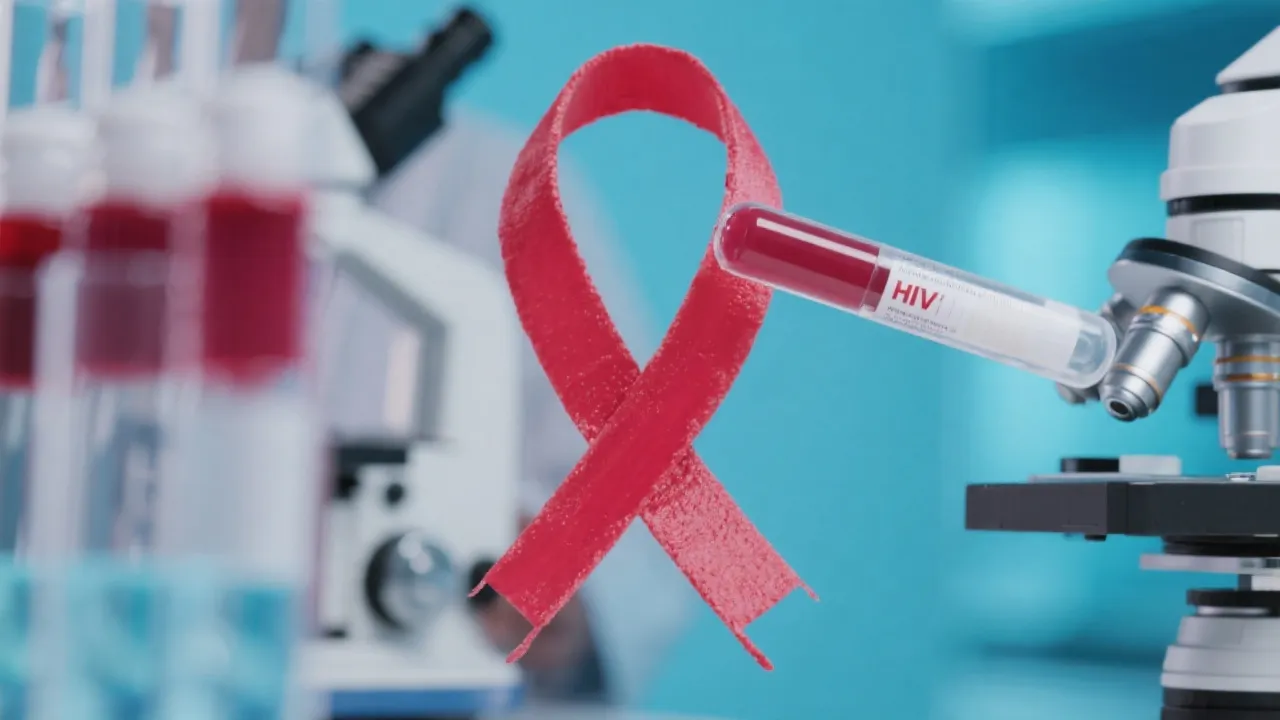
The Human Immunodeficiency Virus (HIV) is a persistent health challenge worldwide, characterized by its gradual destruction of the immune system, leading to Acquired Immunodeficiency Syndrome (AIDS). Since its discovery in the early 1980s, HIV has dramatically impacted public health, social structures, and economies across the globe. The virus attacks the CD4 cells, which are crucial for the immune system, making the body increasingly vulnerable to infections and diseases. The primary battlefield has been the innovative development and application of therapeutic strategies against HIV, which aim to suppress the virus, prevent transmission, and improve the quality of life for those infected.
The economic implications of HIV are extensive as well, affecting healthcare systems and requiring substantial funding for treatment and prevention initiatives. In many regions, particularly in sub-Saharan Africa, the burden of HIV affects not only the health of individuals but also the socioeconomic conditions of entire communities. Families often face the loss of income providers due to illness or death, and children may be forced to leave school to care for sick relatives. Community efforts to combat HIV involve education, testing, and stigma reduction, as public perception often exacerbates the challenges faced by individuals living with HIV.
One of the very significant advancements in HIV management is the use of combination antiretroviral therapy (cART). This treatment employs a blend of drugs from different classes to target the virus at various stages of its life cycle, significantly reducing viral loads and halting disease progression. Since the inception of cART, the prognosis for individuals living with HIV has improved considerably. Research from reputable sources indicates that adherence to cART can lead to undetectable viral levels in patients, effectively nullifying the risk of sexual transmission. This concept, commonly referred to as "Undetectable = Untransmittable" (U=U), has been a vital aspect of public health campaigns aimed at reducing stigma and promoting testing and treatment adherence.
In addition to cART, individuals living with HIV are often provided with comprehensive healthcare services, including regular check-ups, mental health support, and preventative care for opportunistic infections. Such integrative healthcare approaches are paramount since enhanced well-being contributes to better health outcomes and adherence to treatment regimens. As various compounding factors may influence an individual's ability to engage with care, addressing psychosocial aspects is just as critical as the biological components of HIV management.
In recent years, several promising therapeutic strategies have emerged, enhancing the toolkit available to combat HIV. These include long-acting injectable antiretrovirals, therapeutic vaccines, and novel drug delivery systems that improve the efficacy and convenience of existing treatments. Long-acting injectables, such as cabotegravir and rilpivirine, offer the advantage of being administered monthly or even quarterly, alleviating the burden of daily pill-taking, which can be a challenge for many. Additionally, these formulations help mitigate the risks of treatment interruption that arise from missed doses.
The development of therapeutic vaccines aims to bolster an individual's immune response against HIV, potentially providing durable immune control or even leading to a functional cure. Importantly, vaccines are designed to work in tandem with existing therapies rather than replace them, enhancing the overall management of HIV.
Moreover, gene therapy and broadly neutralizing antibodies (bNAbs) are being actively explored, with initial trials showing potential for reducing the virus to a dormant state. bNAbs are a class of antibodies that can neutralize a wide array of HIV strains, thus providing a robust defense against the virus. These innovative approaches hold the promise not only to improve treatment efficacy but also to contribute significantly to the quest for a cure.
| Strategy | Description | Advantages | Challenges |
|---|---|---|---|
| Combination Antiretroviral Therapy (cART) | Use of multiple drugs to inhibit HIV replication. | Reduced viral load; decreased transmission risk. | Requires strict adherence; potential side effects. |
| Long-acting Injectables | Infrequent injections maintaining drug presence over time. | Improved adherence; reduced daily pill burden. | Costly; monitoring for injection-related complications. |
| Gene Therapy | Altering genes to prevent HIV replication. | Potential for functional cure; good effects. | Complex; requires advanced technology and resources. |
| Therapeutic Vaccines | Vaccination to stimulate the immune system against HIV. | Could enhance immune control; potential for long-term protection. | Still in research; uncertain efficacy and durability. |
| Broadly Neutralizing Antibodies (bNAbs) | Monoclonal antibodies targeting multiple strains of HIV. | Effective neutralization; long-lasting protection potentially. | The cost of treatment; need for regular administration. |
The landscape of HIV research is consistently evolving. Recent studies focus on enhancing the efficacy of therapeutic interventions and exploring the potential of CRISPR-Cas9 technology for genetic editing as a strategy to eliminate latent viral reservoirs. Latent reservoirs pose a significant challenge in HIV treatment; while cART can suppress the virus, it does not eradicate it, necessitating lifelong treatment. The challenge remains to translate these laboratory breakthroughs into practical treatments that are accessible and affordable.
Innovative research is also delving into the integration of artificial intelligence and machine learning approaches to predict patient responses to different therapies, which could significantly personalize HIV treatment plans. Combining technology and medicine presents an exciting frontier in managing HIV, potentially improving health outcomes through tailored strategies.
Despite advancements in treatment, stigma surrounding HIV persists, complicating prevention and treatment efforts. Individuals living with HIV often face discrimination, both socially and in healthcare settings, which can discourage them from seeking care. To combat this, community-based organizations play an essential role in public health, emphasizing education, outreach, and supportive services.
Counseling support has shown to be invaluable for patients newly diagnosed with HIV, aiding in the navigation of the emotional and psychological challenges that often accompany the diagnosis. Support groups allow individuals to share experiences, reducing feelings of isolation and anxiety. Furthermore, integrating mental health services into HIV care has been shown to improve treatment adherence and overall well-being. Effective communication and understanding towards those living with HIV are critical in fostering an environment conducive to health-seeking behaviors.
While high-income countries have made significant progress in HIV prevention and treatment, low- and middle-income countries continue to face considerable challenges. Access to medications, diagnostic tools, and healthcare infrastructure is often lacking in these regions. Furthermore, factors such as socioeconomic status, governance, and educational resources can profoundly impact the effectiveness of HIV responses.
International collaborations and initiatives, such as the Global Fund to Fight AIDS, Tuberculosis and Malaria and the Joint United Nations Programme on HIV/AIDS (UNAIDS), work towards mitigating these disparities by providing funds and support for HIV programs globally. Increased investment in healthcare systems, combined with continuous advocacy efforts, remains crucial for addressing the inequalities in HIV treatment and prevention.
The main aim is to reduce the viral load to undetectable levels, which diminishes the risk of transmission and prevents the progression to AIDS. Achieving a sustained viral suppression can lead to a near-normal lifespan for those living with the virus, provided they adhere to their treatment regimen.
When adhered to consistently, cART is highly effective, often leading to undetectable viral loads in patients, significantly reducing transmission risks. The World Health Organization (WHO) emphasizes the importance of accessing cART early to maximize health outcomes and minimize the risk of viral resistance.
Research is ongoing into integrative methods that may include vaccines, bNAbs, and gene editing, which together could provide a comprehensive approach to managing and potentially curing HIV. In addition, lifestyle changes, nutritional support, and mental health care are considered essential complementary strategies that empower individuals living with HIV to manage their health effectively.
Recent advancements include the development of long-acting injectable antiretrovirals, which provide an alternative to daily oral medications, therapeutic vaccines aimed at enhancing immune response, and gene editing technologies that show promise for potentially curing HIV. Furthermore, the use of real-time data analysis and AI in healthcare is enabling better decision-making in treatment plans.
The fight against HIV is far from over, but significant strides have been made in therapeutic strategies that offer hope for reducing the prevalence and impact of this virus. The integration of innovative treatments, widespread education, and preventive measures remains essential in our collective aim for an HIV-affordable future. As we advance towards the objective of eradicating HIV, addressing the social, political, and healthcare inequalities accompanying the epidemic is imperative. Collaborative efforts from governments, healthcare providers, civil society organizations, and communities can pave the way for comprehensive solutions that encompass not just treatment but prevention and support to ultimately create a world free of HIV/AIDS.
A united front in advocacy, research, and community support underscores the importance of combating misinformation and stigma, ensuring that individuals feel empowered to seek assistance and adhere to therapies. The landscape of HIV treatment continues to evolve, and it is our collective responsibility to ensure that these advancements are distributed equitably, leaving no one behind in the fight against this virus.
Striking the Perfect Balance: Navigating Premiums and Out-of-Pocket Expenses in Senior Insurance Plans

Explore the Tranquil Bliss of Idyllic Rural Retreats

How to Make Lasting Memories at Disneyland Attractions

Affordable Phones and Plans for Seniors

Affordable Full Mouth Dental Implants Near You

Unlock the Top Kept Secrets to Finding Your Ideal Dentist for Flawless Dental Implant Results!

Discovering Springdale Estates

Unveiling RS Sul Telecom Services

The Guide to Car Trading

Striking the Perfect Balance: Navigating Premiums and Out-of-Pocket Expenses in Senior Insurance Plans
Finding an optimal mix of insurance premiums and direct medical costs is crucial for effective healthcare budgeting. This discussion will delve into tactics to achieve a balance that aligns with your finances.
Unlock the Top Kept Secrets to Finding Your Ideal Dentist for Flawless Dental Implant Results!
Selecting an adept dentist is critical for ensuring the efficacy and your satisfaction during a dental implant procedure. This in-depth guide is designed to assist you in finding a dental expert who meets your personal requirements, guaranteeing that your path to dental implant success is seamless and fruitful.

Protect Your Perfect Smile: Master the Art of Defending Your Teeth Against Acid Attacks
Though they may tantalize the palate and invigorate the senses, foods and drinks with high acid content are a double-edged sword with regard to oral wellness. Continual exposure to these substances progressively strips away the protective enamel from our teeth, which can lead to increased sensitivity, changes in coloration, and a variety of other dental complications. This composition offers insight into relishing these zesty favorites while safeguarding your teeth from damage.

Discovering Heartis Eagle Mountain
Heartis Eagle Mountain is a prominent senior living community that offers a range of services and amenities aimed at enhancing the quality of life for its residents. Situated in a peaceful setting, it combines exceptional care with engaging activities, providing a holistic environment that caters to seniors' physical, emotional, and social needs.

Unveiling the Top Dental Implant Options for Seniors: Transform Your Smile with the Ultimate Guide to Restored Radiance
The significance of oral health cannot be understated for the elderly population as they are commonly afflicted with tooth loss due to a multitude of factors, including decay and gum disease. Dental implants have risen to prominence as a prime method of teeth replacement, acclaimed for their long-lasting nature, functional prowess, and striking similarity to our own teeth. This discussion delves deeply into the realm of dental implants to demonstrate why they are considered the optimal choice for aged individuals aiming to enhance their smiles and overall life quality.

Boost Your Defenses: 20 Proven Strategies for a Stronger Immune System
Having a robust immune system is essential to protect our bodies from harmful microorganisms and preserve our general health. Although some elements that affect our immunity are out of our hands, many lifestyle decisions can help us enhance our immune defenses naturally. This piece delves into 20 practical methods to empower your immune system, increasing your capacity to ward off diseases and sicknesses.